A failing shower presents more than just an aesthetic issue; it actively threatens the structural integrity of your property. In older Haddonfield and Cherry Hill homes, many second-floor bathrooms still rely on outdated waterproofing methods that degrade over decades of daily use. Recognizing the early signs of shower failure and addressing them properly prevents catastrophic water damage to the ceilings and joists below.
Recognizing Signs of Shower Failure
Moisture is incredibly destructive when it escapes its designated containment area. The visible surfaces of your shower often display the first warning signs that the underlying waterproofing system has failed.
Deteriorating Grout and Caulk
Grout and caulk are the first lines of defense against water intrusion. If you notice missing chunks of grout, deep cracks along the corners where the walls meet, or caulk that constantly develops dark mildew despite rigorous cleaning, water is likely penetrating the wall assembly. Once moisture bypasses these sealants, it saturates the drywall or cement board behind the tile, creating an environment perfect for rapid mold growth and structural decay.
Spongy Floors and Loose Tiles
Press firmly against the tiles near the lower half of your shower walls and step carefully around the shower drain. If the tiles feel loose, sound hollow when tapped, or if the floor yields slightly under your body weight, the substrate is compromised. A spongy shower floor usually indicates that the shower pan liner has failed, allowing water to rot the wooden subfloor beneath it. This requires immediate intervention before the entire assembly collapses.
The Impact of Outdated Materials
Many mid-century homes in Haddonfield were constructed using traditional mortar bed shower pans and water-resistant drywall (often called “green board”) instead of modern waterproof membranes. While durable for their time, these materials eventually break down. Green board absorbs moisture once the surface tile grout fails, turning the wall into a soggy, unstable mess. Modern building standards mandate continuous, impermeable waterproofing membranes that eliminate these vulnerabilities entirely.
Designing a Functional, Modern Shower
Addressing a leaking shower provides the perfect opportunity to upgrade the safety, functionality, and aesthetic of the entire bathroom. Removing the compromised materials allows for a complete redesign tailored to your specific daily routines.
High-Efficiency Fixtures
Upgrading your plumbing fixtures simultaneously reduces water consumption and improves the showering experience. According to the EPA WaterSense program, replacing older, inefficient showerheads with WaterSense-labeled models can save a household thousands of gallons of water annually without sacrificing water pressure. Modern thermostatic valves also provide precise temperature control, preventing sudden scalding if someone flushes a toilet elsewhere in the house.
Custom Tile and Waterproofing
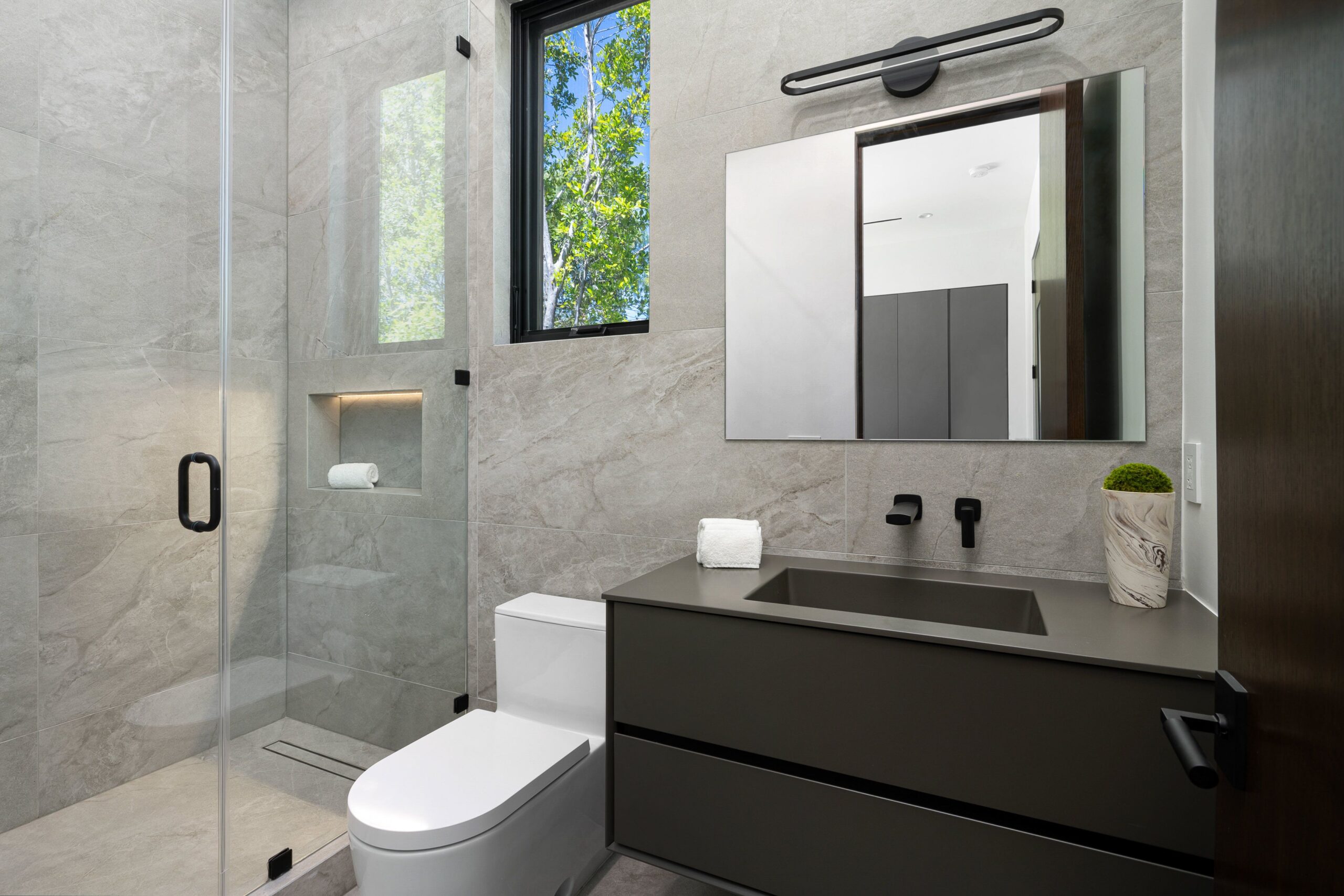
A successful shower replacement relies entirely on the quality of the waterproofing system beneath the tile. Modern sheet membranes and liquid-applied waterproofing create an unbroken barrier from the drain to the ceiling. Once this foundation is secure, you can select custom large-format porcelain tiles, natural stone accents, or slip-resistant mosaic floors that elevate the design while ensuring decades of leak-free performance.
Professional Solutions for South Jersey Homes
Attempting to patch a failing shower pan or applying a new layer of caulk over rotting walls only delays the inevitable. Protecting your home requires removing the damaged materials and installing a modern, fully waterproofed system. If you are noticing signs of water damage in your bathroom, exploring professional shower remodeling in Haddonfield provides a permanent, beautiful solution. Contact Haddonfield Kitchen & Bath Remodelers to properly diagnose your shower issues and design a durable replacement.
FAQs:
- Why is my shower tile grout cracking? Grout cracks when the wall or floor structure behind the tile shifts or flexes due to moisture damage or natural house settling. It indicates that the substrate is no longer stable.
- Can you fix a leaking shower pan without removing the tile? No. The waterproof liner sits underneath the mortar bed and floor tile. Fixing a failed shower pan requires removing the floor tile and lower wall tiles to install a new, continuous membrane.
- How long does a proper shower waterproofing system last? A modern, professionally installed waterproofing membrane system (such as Schluter-Kerdi or similar products) is designed to remain watertight for the lifetime of the bathroom.