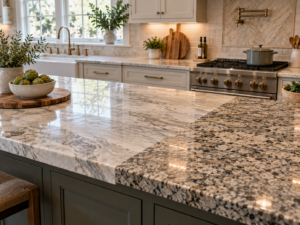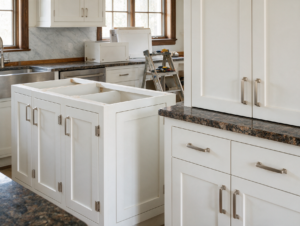
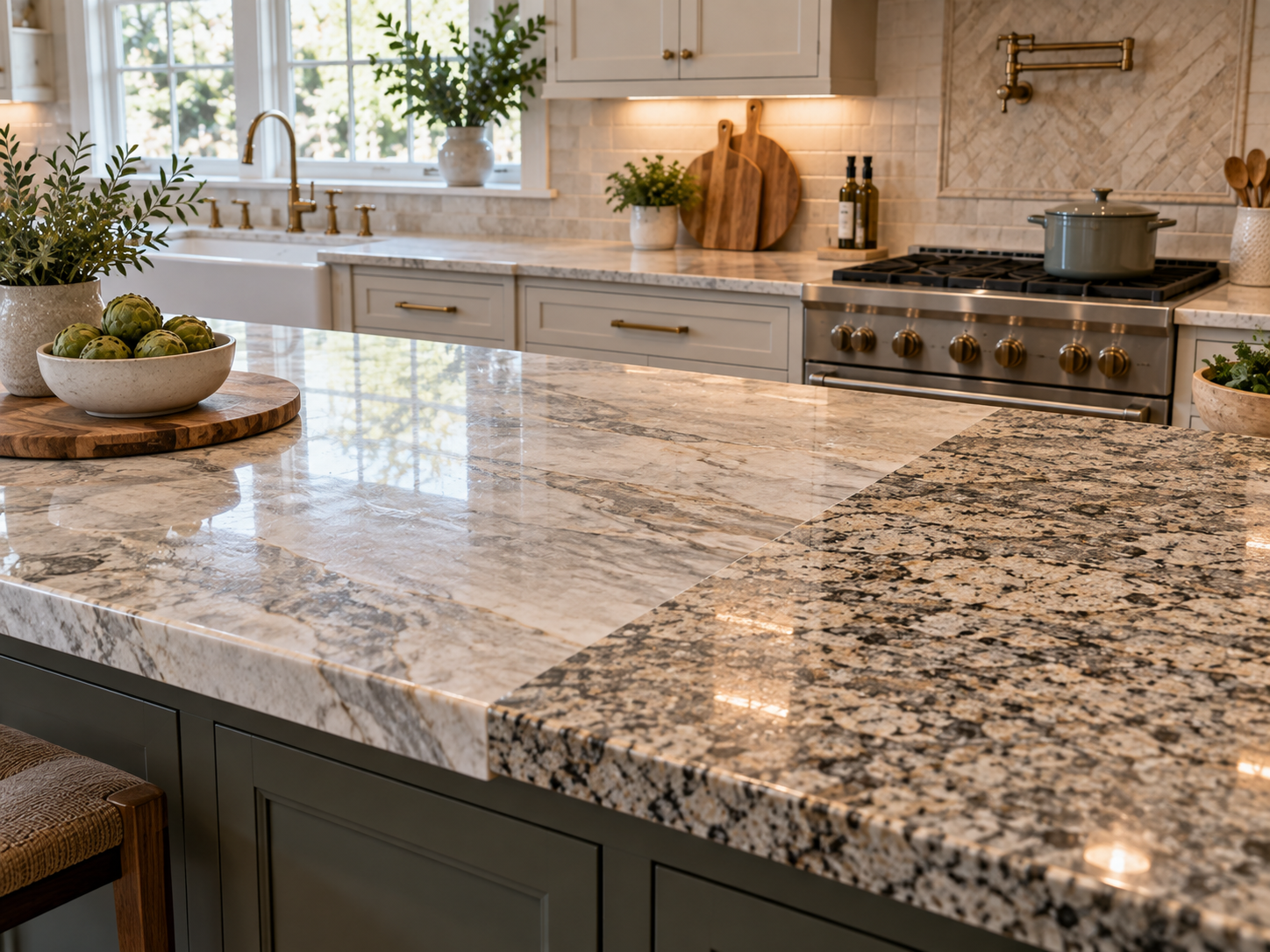
Quartzite vs. Granite Counter-tops: Heat and Scratch Resistance is a practical planning question for property owners in Haddonfield. The right approach depends on the existing conditions, the way the space or system is used, and how the proposed work interacts with surrounding materials. Understanding those details early helps prevent a cosmetic decision from creating a larger construction, maintenance, or code problem later. That review should happen before demolition, fabrication, or installation begins.
Quartzite and Granite Are Families of Stone
Both materials occur in many colors and mineral compositions, so performance cannot be predicted from the category name alone. True quartzite is generally rich in quartz, while granite includes a mix of minerals. Labels in the marketplace can be inconsistent, making supplier documentation and evaluation of the specific slab important.
Heat Resistance Does Not Eliminate Risk
Natural stone typically tolerates heat better than many resin-based surfaces, but thermal shock and localized temperature changes can still cause damage. Trivets protect the surface, sealant, and nearby seams. The counter-top design should also provide correct support around cooktops and appliances rather than relying on stone strength alone.
Scratch and Etch Behavior Differ
Quartz-rich materials can resist everyday scratching, but softer minerals or fissures within an individual slab may behave differently. Acid sensitivity can help distinguish some mislabeled stones, although testing should be handled by the supplier or fabricator. Cutting boards remain useful because they protect both the counter and knife edges.
Review Sealing Fabrication and Appearance
Porosity, finish, resin treatments, edge details, and seam location affect maintenance. Inspect the full slab for movement, fissures, and areas that will fall at cutouts. A qualified fabricator can explain sealing and support requirements for that exact material, which is more reliable than making a decision from a small showroom sample.
Questions to Resolve Before Work Begins
Before comparing proposals, make sure each contractor is pricing the same boundaries, materials, preparation, protection, access, disposal, and finish restoration. Ask which selections must be finalized before work begins, which conditions remain allowances, and which approvals or inspections can affect the schedule. Product data and drawings should match the written scope. This makes it easier to distinguish a genuinely different construction approach from a price difference created by missing work. Record approved samples, model numbers, colors, profiles, and installation requirements in one selection log. The agreement should also explain change-order authorization, progress documentation, cleanup standards, final inspection, and the information the owner receives for maintenance after the project is complete.
Planning the Next Step
Property owners should compare the visible condition with the broader assembly, confirm any permit or manufacturer requirements that apply, and document the proposed scope before materials are ordered. Guidance from Natural Stone Institute can help frame the technical questions, while an on-site evaluation determines what is appropriate for the individual property. Contact Haddonfield Kitchen & Bath Remodelers to discuss cabinetry, countertops, layouts, and finish selections for a South Jersey remodeling project.
Learn more about counter-top replacement.