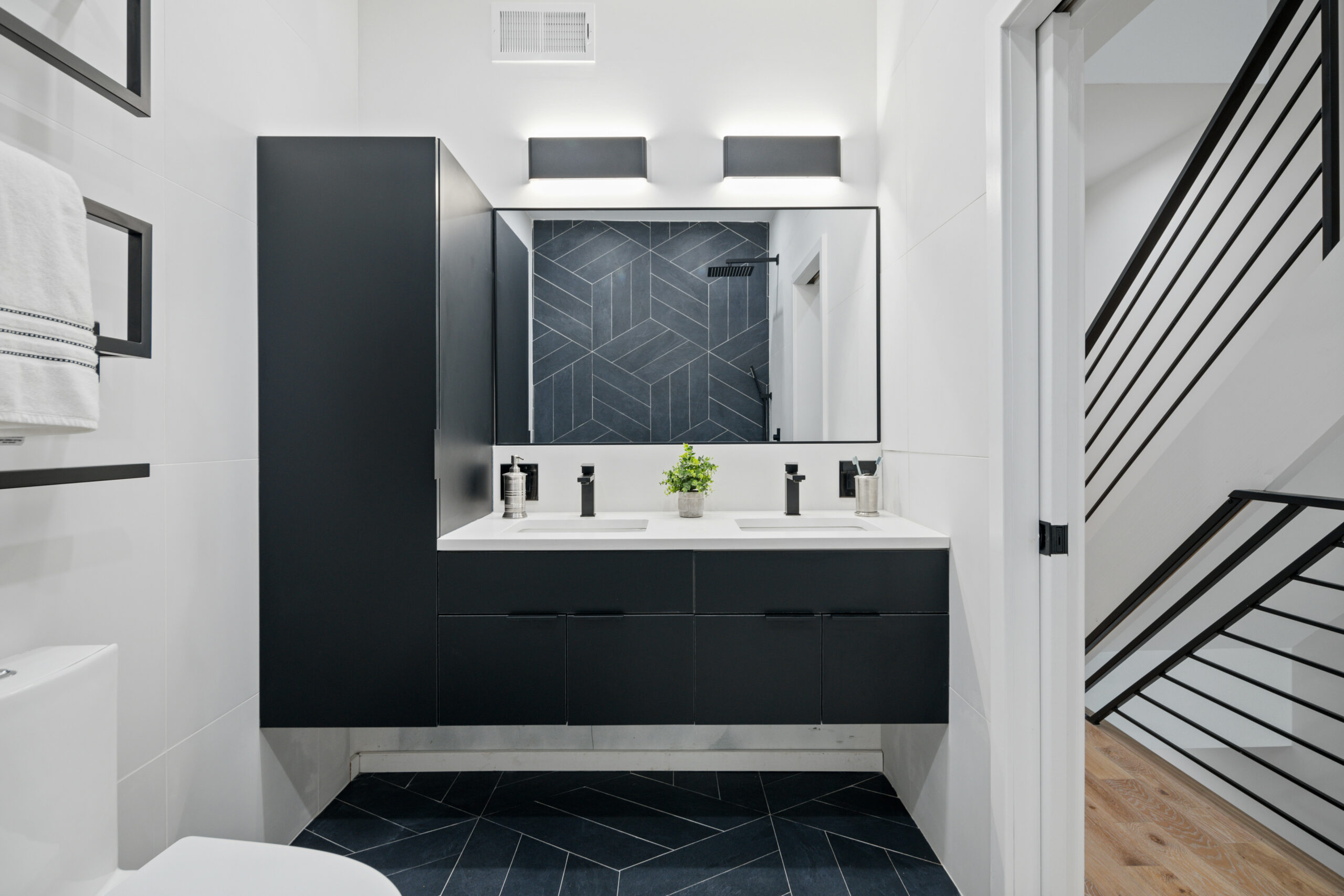
Transforming an outdated, cramped bathroom into a highly functional retreat requires careful financial planning. For property owners in Haddonfield, Collingswood, and Cherry Hill, establishing a realistic budget ensures the project proceeds smoothly without unexpected compromises. Because every home features unique architectural characteristics and plumbing configurations, renovation costs vary significantly based on the project’s scope, the quality of materials selected, and the condition of the existing infrastructure.
Factors Influencing Renovation Budgets
A successful renovation balances aesthetic desires with practical structural requirements. Understanding exactly where your investment goes helps prioritize the features that matter most to your daily routine.
Structural Changes and Plumbing Relocation
The most significant variable in any bathroom budget is the floor plan. If you are simply replacing existing fixtures in their current locations (a “pull-and-replace” remodel), labor costs remain relatively predictable. However, moving a toilet across the room, expanding a shower footprint into an adjacent closet, or knocking down a partition wall requires extensive structural modifications. Relocating plumbing supply lines and heavy cast-iron waste pipes demands significant time and expertise, which directly impacts the overall cost.
Material Selection and Finishes
The materials you choose dictate a large portion of the final price. Standard ceramic tile and prefabricated vanities keep costs moderate. Conversely, specifying imported marble slab flooring, custom-built hardwood cabinetry, thermostatic shower systems, and radiant floor heating pushes the project into a premium tier. High-end finishes not only cost more to purchase but often require highly specialized labor for precise installation.
Evaluating Historic Property Challenges
Haddonfield is renowned for its historic housing stock, ranging from stately Victorians to early 20th-century Colonials. Renovating bathrooms in older homes routinely uncovers hidden challenges that must be factored into your budget.
Addressing Outdated Infrastructure
Behind the plaster walls of an older home, contractors frequently discover galvanized steel water lines that are corroded shut from the inside, or unsafe knob-and-tube electrical wiring. Updating these systems to meet modern building codes is non-negotiable for safety and performance. The National Kitchen & Bath Association (NKBA) recommends reserving at least 15 to 20 percent of your total budget strictly for a contingency fund to handle these unforeseen structural or mechanical upgrades.
Return on Investment for Bathroom Upgrades
While a bathroom renovation represents a significant upfront investment, it consistently yields a strong return in property value. Upgraded, energy-efficient bathrooms are primary selling points for South Jersey homebuyers. Modernizing a master en-suite or adding a dedicated guest bathroom directly increases the market appeal of the home. Even if you have no immediate plans to sell, the daily improvement in comfort, lighting, and organization provides an immediate return on your quality of life.
Planning Your Remodeling Project
Entering a remodeling project with a clear understanding of your financial parameters eliminates stress and ensures a superior final product. A reputable design-build team provides transparent cost breakdowns and helps align your design aspirations with your established budget. If you are preparing to update your home, scheduling a consultation for bathroom remodeling in Haddonfield is the best way to receive accurate, property-specific pricing. Contact Haddonfield Kitchen & Bath Remodelers to begin outlining your project today.
FAQs:
- What is the most expensive part of a bathroom remodel? Labor and specialized trades (plumbing and electrical work) typically consume the largest portion of the budget, especially if the floor plan is being altered.
- Does moving plumbing fixtures drastically increase costs? Yes. Moving a toilet, shower, or sink requires opening up the floor joists and walls to reroute the supply lines and waste drains, adding significant labor time.
- Why is a contingency budget necessary for older homes? Historic homes often hide deteriorated subfloors, outdated wiring, or non-compliant plumbing behind the walls, which must be corrected once exposed during demolition.